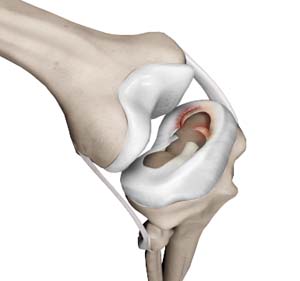
What is Anatomy of the Knee Joint?
The knee is one of the most complex and largest joints in the body and is very susceptible to injury. The meniscus is a small, C-shaped piece of cartilage in the knee. Each knee consists of two menisci, medial meniscus on the inner aspect of the knee and the lateral meniscus on the outer aspect of the knee. The medial and lateral menisci act as a cushion between the thighbone (femur) and shinbone (tibia).
What are Meniscal Injuries?
Meniscal tears are one of the most common injuries to the knee joint. It can occur at any age but are more common in athletes involved in contact sports. The meniscus has no direct blood supply and for that reason, when there is an injury to the meniscus, healing is difficult.
What are the Causes of Meniscal Injuries?
Meniscal tears often occur during sports. These tears are usually caused by twisting motion or over-flexing of the knee joint. Sports such as football, tennis, and basketball involve a high risk of developing meniscal tears. They often occur along with injuries to the anterior cruciate ligament, a ligament that crosses from the femur (thighbone) to the tibia (shinbone).
What are the Symptoms of Meniscal Injuries?
Meniscal tears can be characterized into longitudinal, bucket handle, flap, parrot -beak and mixed or complex tears.
The symptoms of a meniscal tear include:
- Knee pain when walking
- A popping or clicking that may be felt at the time of injury
- Tenderness when pressing on the meniscus
- Swelling of the knee
- Limited motion of the knee joint
- Joint locking, if the torn cartilage gets caught between the femur and tibia, preventing straightening of the knee.
How are Meniscal Injuries Diagnosed?
A thorough medical history and a physical examination can help diagnose meniscal injuries.
The McMurray test is an important test for diagnosing meniscal tears. During this test, your doctor will bend the knee, then straighten and rotate it in and out. This creates pressure on the torn meniscus. Pain or a click during this test may suggest a meniscal tear.
In addition, your doctor may order imaging tests such as X-ray and MRI to help confirm the diagnosis.
How are Meniscal Injuries Treated?
The treatment depends on the pattern and location of the tear. If the meniscal tear is not severe, your child's doctor may begin with non-surgical treatments that may include:
- Rest: Avoid activities that may cause injury. You may need to temporarily use crutches to limit weight-bearing.
- Ice: Ice application to reduce swelling
- Pain medications: Non-steroidal anti-inflammatory drugs (NSAIDs) to help reduce swelling and pain
- Physical therapy: Physical therapy for muscle and joint strengthening
If the symptoms persist and conservative treatment fails, you may need surgery to repair the torn meniscus.
For more information about our services or to schedule an appointment, call us at / / or cliAppointmentck here to request an appointment online. We’ll respond to you as soon as possible.