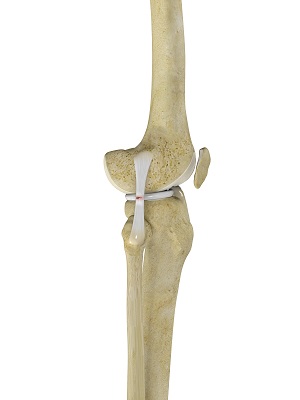
What is a Lateral Collateral Ligament(LCL) Tear?
The knee is the largest joint of the body and is stabilized by a set of ligaments. In the knee, there are four primary ligaments, the anterior cruciate ligament (ACL), posterior cruciate ligament (PCL), medial collateral ligament (MCL) and lateral collateral ligament (LCL).
The lateral collateral ligament (LCL) is a thin set of tissues present on the outer side of the knee, connecting the thighbone (femur) to the fibula (bone of the lower leg). It provides stability as well as limits the sidewise rotation of the knee. Tears or injury to the LCL may cause instability of the knee that can be either reconstructed or repaired to regain the strength and movement of the knee.
What are the causes of an LCL Tear?
LCL (Lateral Collateral Ligament) tears typically result from traumatic incidents that cause excessive stress on the ligament. Common causes include:
- Direct Impact: A direct blow to the inner side of the knee can stretch or tear the LCL.
- Twisting Injuries: Sudden twisting or pivoting of the knee, especially when the foot is firmly planted, can lead to LCL tears.
- Sports Injuries: Athletes participating in sports that involve quick changes in direction, such as soccer or football, may be more prone to LCL tears.
- Fall or Accident: Falls or accidents that involve a forceful impact on the outer knee can damage the LCL.
What are the Symptoms of LCL Tear?
LCL (Lateral Collateral Ligament) tear symptoms include:
- Pain on the outer side of the knee, particularly during movement or weight-bearing activities
- Swelling around the injured knee
- Feeling of instability
- Bruising
- Limited range of motion
- Tenderness
- Popping or snapping sensation
How is LCL Tear Diagnosed?
LCL injuries and a torn LCL can be diagnosed by your doctor through a discussion of your symptoms, a physical examination of the knee, and by employing imaging techniques such as X-rays or MRI scans to confirm the diagnosis.
How is LCL Tear Treated?
Nonsurgical Treatment
The treatment of a torn LCL may include non-surgical interventions such as rest, ice, elevation, bracing and physical therapy to help reduce swelling and regain activity, as well as strengthen and improve the flexibility of the knee.
Surgical Treatment
Surgery for LCL (lateral collateral ligament) is recommended when the ligament is severely torn or does not heal well with conservative treatments. Surgery can repair or reconstruct the LCL and restore the stability and function of the knee joint. The surgeon makes an incision to access the ligament. The surgeon may use sutures, screws, or staples to reattach the ligament to the bone, or use a graft from another tendon to replace the ligament.
How are LCL Tears Prevented?
Prevention of LCL (Lateral Collateral Ligament) tears involves:
- Strengthening exercises for the muscles around the knee, especially the quadriceps and hamstrings to improve flexibility and joint stability.
- Ensure proper technique during sports or activities to reduce the risk of sudden twists or turns that could strain the LCL.
- Always warm up before engaging in sports or activities and wear appropriate footwear that provides good support and traction.
- Allow adequate rest between intense training sessions to prevent overuse injuries and fatigue. Consider using knee braces or other protective gear to reduce the impact on the knee.
For more information about our services or to schedule an appointment, call us at / / or cliAppointmentck here to request an appointment online. We’ll respond to you as soon as possible.