What is Anatomy of the Shoulder?
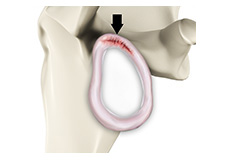
The shoulder joint is a ball and socket joint. A ball at the top of the upper arm bone (humerus) fits neatly into a socket, called the glenoid, which is part of the shoulder blade (scapula). The glenoid is surrounded by a ring of fibrous cartilage called the labrum for stabilization of the shoulder joint. The biceps tendon attaches inside the shoulder joint at the superior labrum of the shoulder joint. It is a long cord-like structure that attaches the biceps muscle to the shoulder and helps to stabilize the joint.
What are SLAP Tears?
The term SLAP (superior –labrum anterior-posterior) lesion or SLAP tear refers to an injury of the superior labrum of the shoulder.
What are the Causes of SLAP Tears?
The most common causes include falling on an outstretched arm, repetitive overhead actions such as throwing and lifting a heavy object. Overhead and contact sports may put you at a greater risk of developing SLAP tears.
What are the Symptoms of SLAP Tears?
The most common symptom is a pain at the top of the shoulder joint. In addition, a catching sensation and pain most often with activities such as throwing may also occur.
How are SLAP Tears Diagnosed?
Diagnosis is made based on the symptoms and a physical examination. A regular MRI scan may not indicate a SLAP tear and therefore an MRI with a contrast dye injected into the shoulder is usually ordered. The contrast dye helps to highlight SLAP tears.
What are the Treatment Options for SLAP Tears?
- Your doctor may recommend anti-inflammatory medications to control pain. In athletes who want to continue their sports, arthroscopic surgery of the shoulder may be recommended.
- Depending on the severity of the lesion, SLAP tears may simply require debridement or some may need to be repaired. A SLAP repair can be performed using arthroscopic techniques that require only two or three small incisions.
- Regular exercises that make the shoulder muscles strong should be done. Adequate warm-up exercises before activities and avoiding high contact sports can help prevent injuries that cause instability.
For more information about our services or to schedule an appointment, call us at / / or cliAppointmentck here to request an appointment online. We’ll respond to you as soon as possible.