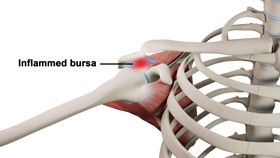
What is Shoulder Bursitis?
Shoulder bursitis, also known as subacromial bursitis, is a condition characterized by pain and inflammation in the bursa of the shoulder. The bursa is a fluid-filled sac present between the bone and soft tissue that acts as a cushion and helps to reduce friction during movement.
What are the Causes of Shoulder Bursitis?
Shoulder bursitis is mainly caused by repetitive motion or stress. Other factors include:
- Rheumatoid arthritis
- Shoulder injury or trauma
- Tennis elbow
- Psoriatic arthritis
- Calcium deposition
- Bacterial infection
- Muscle tendon degeneration
- Rotator cuff disease
What are the Symptoms of Shoulder Bursitis?
The most common symptom of shoulder bursitis is pain. Other symptoms can include:
- Swelling
- Inflammation
- Decreased mobility
- Fever
- Stiffness
- Tenderness and muscle weakness
- Redness and warmth
How is Shoulder Bursitis Diagnosed?
Your doctor will review your medical history and symptoms and a physical examination of the shoulder will be performed. Your doctor may also recommend the following diagnostic tests:
- X-rays: During this study, high-energy electromagnetic beams are used to produce images of the bones
- MRI Scan: An imaging study that uses a large magnetic field and radio waves to detect any damage to the soft tissues and tendons
- Ultrasound: This study uses high-frequency sound waves that produce images of fluid accumulated in the bursa.
What is the Treatment for Shoulder Bursitis?
Treatment for shoulder bursitis is based on the severity of the condition and is mainly to relieve pain and inflammation. Common therapeutic measures include:
Non-surgical Method
- Rest: Avoiding activities that can aggravate symptoms and resting may help to relieve inflammation.
- ICE therapy: You will be advised to apply ice, compression, and elevation to reduce inflammation and pain.
- Medications: Your doctor will recommend non-steroidal anti-inflammatory drugs (NSAIDs) as needed to reduce swelling and pain.
- Physical therapy: Your doctor will recommend special exercises and other techniques to relieve pain.
Surgical Method
If non-surgical methods are unsuccessful, surgery will be recommended. These include:
- Bursectomy: The bursa is removed arthroscopically through tiny incisions.
- Acromioplasty: A part of the acromion is removed to provide space for the inflamed bursa.
How is Shoulder Bursitis Prevented?
Prevention of shoulder bursitis includes:
- Warming up before exercise
- Muscle-strengthening exercises
- Stopping to rest between exercises
- Reducing straining
- Stopping physical activities if the pain persists
For more information about our services or to schedule an appointment, call us at / / or cliAppointmentck here to request an appointment online. We’ll respond to you as soon as possible.