What is a Proximal Biceps Tendon Rupture?
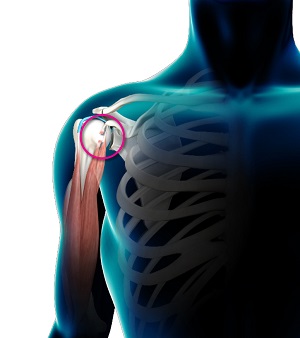
The biceps muscle is the muscle of the upper arm which is necessary for the movement of the shoulder and elbow. It is made of a ‘short head’ and a ‘long head’ which function together. These are connected to the shoulder joint by two tendons called the proximal biceps tendons and to the elbow joint by a single distal biceps tendon.
The long head of the biceps tendon is attached at the top of the shoulder joint. The short head is attached to your shoulder blade. A tear or rupture of the proximal biceps tendons is called a proximal biceps tendon rupture. Usually, the long head tendon is ruptured. The rupture may be partial or complete.
What are the Causes of Proximal Biceps Tendon Rupture?
Risk factors associated with a proximal biceps tendon rupture include:
- Falling on an outstretched arm
- Lifting very heavy objects
- Excessive use of the shoulder especially for sports and overhead activities
- Aging
- Smoking
- Certain medications
What are the Symptoms of Proximal Biceps Tendon Rupture?
Symptoms of a proximal biceps tendon rupture include:
- Sharp and sudden shoulder or upper arm pain
- Snapping sound or a pop
- Tenderness at the shoulder
- Muscle cramping
- The weakness with shoulder and elbow movements
- Difficulty rotating the forearm
How is Proximal Biceps Tendon Rupture Diagnosed?
Your doctor will review your symptoms and medical history and will assess arm strength and movement. Specific signs such as a ‘Popeye Muscle’ where the muscle bunches up near the elbow denotes a complete rupture of a proximal tendon. With partial ruptures, you feel pain while bending the arm.
Rupture of the proximal biceps tendon may be associated with other shoulder disorders such as a rotator cuff injury. Your doctor will examine the shoulder thoroughly to look for other disorders that could be related to your symptoms such as
- Shoulder instability
- Fracture to the humeral head
- Shoulder impingement
Imaging studies may be performed to visualize the shoulder joint and make a definite diagnosis. Your doctor orders an MRI to diagnose partial or complete tendon tears, the degree of muscle retraction and the presence or absence of a muscle tear. MRI studies can also show any damage to the rotator cuff. A CT scan is most effective in the diagnosis of your tendon rupture. X-rays do not identify tendon tears but can help evaluate injuries to the bones.
How is Proximal Biceps Tendon Rupture Treated?
Proximal biceps tendon ruptures may be treated by non-surgical methods, but surgery may be needed if you have injured other structures in the shoulder or you are an active individual who requires restoration of muscle strength.
Non-Surgical Treatment
Proximal biceps ruptures are often well treated with non-surgical measures such as:
- Medication to reduce pain and inflammation
- Rest or avoiding activities that aggravate your symptoms
- Application of cold packs to reduce inflammation
- Physical therapy to strengthen your muscles and tendons
Surgical Treatment
Though you will not usually require surgery, many surgical options are available to repair the ruptured tendon. One of the common procedures is biceps tenodesis which involves fixing the long head of the tendon to the humerus (upper arm) bone instead of the shoulder. Your doctor will discuss the best surgical option for you.
For more information about our services or to schedule an appointment, call us at / / or cliAppointmentck here to request an appointment online. We’ll respond to you as soon as possible.