What is Post-Traumatic Stiffness of the Shoulder?
Post-traumatic stiffness of the shoulder is the inability of the shoulder joint to move freely due to the damage sustained to the normal gliding surfaces of the shoulder as a result of trauma (injury) or surgery. The trauma affects the muscles and capsule surrounding the shoulder joint resulting in reduced or loss of motion and functional impairment. Post-traumatic stiffness is a disabling complication that affects your ability to perform normal day-to-day activities.
What is Anatomy of the Shoulder?
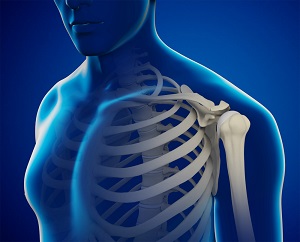
The shoulder is a ball and socket joint. The head of the humerus (upper arm bone) fits into the glenoid cavity of the scapula (shoulder blade). Connective tissue called the shoulder capsule surrounds the shoulder joint, holding the bones in place. This is lubricated by synovial fluid. Tendons and ligaments around the shoulder joint provide strength and stability to the joint.
What are the Causes of Post-Traumatic Stiffness of the Shoulder?
Causes of post-traumatic stiffness of the shoulder include:
- Bone fracture
- Injury/trauma
- Previous surgery
- Joint dislocation
- Malunion (improper healing of a fractured bone)
What are the Signs and Symptoms of Post-Traumatic Stiffness of the Shoulder?
Signs and symptoms of post-traumatic stiffness of the shoulder include:
- Dull or achy pain
- Muscle tightness
- Restricted range of motion
- Inability to move shoulder
- A sensation of grinding on shoulder movement
How is Post-Traumatic Stiffness of the Shoulder Diagnosed?
Evaluation of your medical history coupled with a physical examination of the affected shoulder is the first step in the diagnosis of post-traumatic stiffness. Subsequently, the doctor will look for flexion range of motion and inflammation. An X-ray, a CT scan, or an MRI may also be ordered to confirm the initial diagnosis.
What is the Treatment for Post-Traumatic Stiffness of the Shoulder?
Conservative Treatment
Conservative treatment options include:
- Non-steroidal anti-inflammatory drugs and steroid injections to relieve pain
- Physical therapy to improve your range of motion
- Heat application to reduce pain
- Manipulation under anesthesia
Surgery
Your surgeon may recommend shoulder arthroscopy if the conservative treatment does not work. During surgery, the scar tissue will be removed and tight ligaments, if any, will be dissected. Following surgery, physical therapy will be advised to bring a full range of motion and strengthen the muscles.
How Can Post-Traumatic Stiffness of the Shoulder Be Prevented?
Shoulder stiffness can be prevented in many cases with proper care and timely treatment. Early mobilization and proper therapy can help avoid stiffness in cases of shoulder injuries and fractures. Also, in cases where diseases can damage the articular cartilage, timely and proper treatment can help in minimizing cartilage damage and avoiding long term shoulder stiffness.
For more information about our services or to schedule an appointment, call us at / / or cliAppointmentck here to request an appointment online. We’ll respond to you as soon as possible.