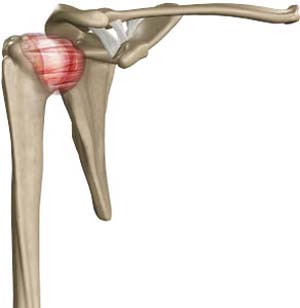
What is Frozen Shoulder?
Frozen shoulder, also called adhesive capsulitis, is a condition in which you experience pain and stiffness in your shoulder. The symptoms appear slowly, worsen gradually and usually take one to three years to resolve on their own.
What are the Causes of Frozen Shoulder?
The shoulder joint is comprised of bones, tendons, and ligaments that are encased in a capsule of connective tissue. Gradual thickening and tightening of this capsule surrounding the shoulder joint restrict shoulder movement causing a frozen shoulder. It is unclear why this happens, but it is sometimes associated with diabetes or a long period of immobilization following an arm fracture or shoulder surgery.
Women and those over the age of 40 have a higher risk of developing a frozen shoulder.
How is Frozen Shoulder Diagnosed?
Frozen shoulder is diagnosed with a physical exam during which your doctor will evaluate your shoulder movements and assess for pain. You will be asked to perform certain arm movements to check the active range of motion and your doctor will maneuver your arm in different directions to check the passive range of motion.
Sometimes, your doctor may inject an anesthetic to numb your shoulder while evaluating range of motion.
What are the Stages of Frozen Shoulder?
The signs and symptoms of frozen shoulder develop gradually in three stages with each stage lasting for several months.
- The first stage is the freezing stage during which pain occurs with any shoulder movement and the range of motion of the shoulder gradually becomes limited. Pain may worsen at night disrupting sleep.
- Next is the frozen stage where the pain subsides but your shoulder stiffens up and cannot function properly. The final stage is the thawing stage during which shoulder movement begins to gradually improve.
Imaging studies such as an X-ray or MRI may be ordered to view the shoulder joint and rule out other problems.
What is the Treatment for Frozen Shoulder?
The various treatments used for frozen shoulder include:
- Pain-relieving medications
- Ice packs or heat application
- Physical therapy exercises
- Acupuncture
- Steroid injections
- Injections to stretch the joint capsule
- Manipulation of the shoulder after administering anesthesia
If you do not get relief from the above methods, your doctor may recommend a minimally invasive surgery to remove scar tissue and adhesions within the shoulder. This is however rarely necessary.
For more information about our services or to schedule an appointment, call us at / / or cliAppointmentck here to request an appointment online. We’ll respond to you as soon as possible.