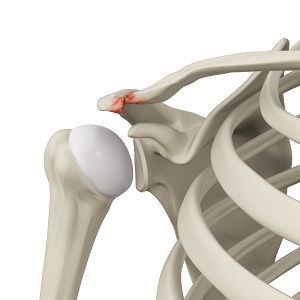
What is Acromioclavicular (AC) Joint Osteoarthritis?
Osteoarthritis also called degenerative joint disease, is the most common form of arthritis. It occurs most often in older people. AC joint osteoarthritis affects the tissue covering the ends of bones (cartilage) in the AC joint of the shoulder. The cartilage becomes damaged and worn out causing pain, swelling, stiffness and restricted movement in the AC joint.
What is the Anatomy of the Shoulder Joint?
The shoulder joint is made up of a ball and socket joint, where the head of the humerus (upper arm bone) articulates with the socket of the scapula (shoulder blade), which is called the glenoid. The acromioclavicular or AC joint is where the acromion or highest point of the shoulder blade, and the clavicle or collarbone join. The articulating surfaces of the bones are covered with cartilage, which prevents friction between the moving bones, enabling smooth movement. Tendons and ligaments around the shoulder joint provide strength and stability to the joint.
What are the Causes of Acromioclavicular (AC) Joint Osteoarthritis?
Aging is the most common cause of AC joint osteoarthritis. Other causes include:
- Sports injuries
- Trauma
- Excessive strain to the joint
- Inflammatory arthropathies (inflammation of joint)
- Septic arthritis (bacterial infection)
What are the Symptoms of Acromioclavicular (AC) Joint Osteoarthritis?
The symptoms vary with the severity of the damage caused to the cartilage and the physical activity of the patient. Common symptoms may include:
- Localized pain over the anterior part of the shoulder
- Radiating pain towards the upper arm
- Catching sensation and pain while sleeping
- Swelling and tenderness around the joint
How is Acromioclavicular (AC) Joint Osteoarthritis Diagnosed?
Diagnosis of AC joint osteoarthritis includes a review of your symptoms and medical history. A physical examination will be performed by your doctor to check the affected shoulder for pain, swelling, and inflammation. X-ray or MRI scanning may be ordered to view the joint more closely.
What are the Treatment Options for Acromioclavicular (AC) Joint Osteoarthritis?
Several treatments and lifestyle modifications can help you ease your pain and symptoms. The objective of the treatment is to reduce pain, improve joint movement, and prevent further damage to the joint. The treatment of osteoarthritis involves:
Medications
Medications may include different classes such as anti-inflammatory drugs, steroid injections, and other drugs.
Lifestyle modifications
Some of the lifestyle modifications include:
- A moderate exercise program
- Use of cold packs to reduce inflammation
- Eating a healthy and well-balanced diet
- Getting adequate rest
- Losing weight
Physical therapy
Your physical therapist will teach you exercises to keep your AC joint flexible and improve muscle strength.
Surgery
Surgery is usually considered if non-surgical treatment fails to provide relief. AC Joint replacement surgery is considered an option when the pain is so severe that it affects your ability to carry out normal activities. In this surgery, the damaged articulating parts of the shoulder joint are removed and replaced with artificial prostheses.
For more information about our services or to schedule an appointment, call us at / / or cliAppointmentck here to request an appointment online. We’ll respond to you as soon as possible.